Keeping Your Child Safe at St Mary’s Children Centre
Our Promise to Every Child
We will know you.
We will take the time to understand who you are, what you enjoy, what you need and what makes you unique.
We will keep you safe.
Your wellbeing, dignity and safety will always come first.
We will listen to you.
Your voice, ideas, choices, and interests matter.
We will help you grow.
We will encourage you to try, explore, question, create, solve problems and discover what you can do.
We will celebrate you.
We will notice your progress, your achievements, your friendships, and the little moments that make childhood special.
And we will always remember...
You are not just attending St Mary's.
You are St Mary’s.
Before children can learn, explore and flourish, they need to feel safe.
Choosing an early childhood centre is one of the most important decisions a parent makes. You want to know that your child will be safe, protected, respected, listened to and genuinely cared for, every day, by every person who works with them.
At St Mary’s Children Centre, child safety is not simply a policy or a checklist. It is part of our culture, our relationships, our environment and the way we make decisions every day.
Our approach is guided by the National Quality Framework (NQF), National Quality Standard (NQS), the Education and Care Services National Law and Regulations, the Victorian Child Safe Standards and other applicable Victorian legislation and regulatory requirements. The NQS specifically recognises children's right to safety and protection from harm and requires services to provide environments that safeguard children's health, safety and wellbeing.
Most importantly, your child's safety and wellbeing come first.
A culture where children come first
Child safety begins with the culture of an organisation.
At St Mary’s, we want every child to know:
I am safe.
I am listened to.
I am respected.
My feelings matter.
I can speak up.
Adults will help me.
We are committed to children rights and believe that children should be treated with dignity, respect and fairness.
Children are encouraged to express their feelings, communicate when something is uncomfortable, ask for help and develop confidence in speaking up.
We take children's concerns seriously.
Our educators maintain professional, respectful relationships with children and prioritise children's safety, rights and best interests in their decisions and actions.
This reflects the strengthened national child-safety requirements that came into effect in 2026.
A physical environment designed for safety
Children need environments where they can explore confidently without unnecessary hazards.
Our educators and management continually consider the safety of:
Indoor learning environments
Outdoor play areas
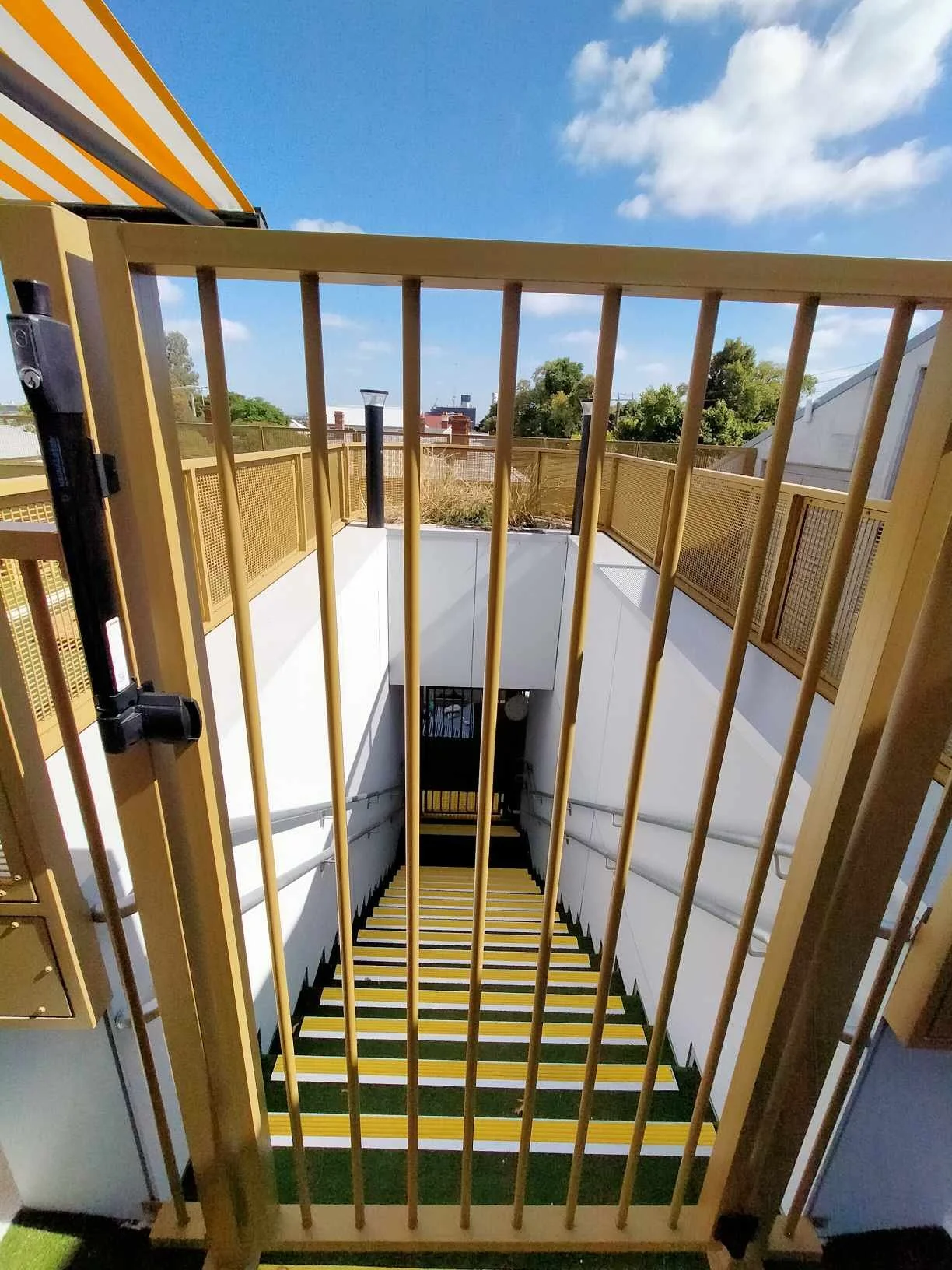
Gates, doors and fencing
Play equipment
Furniture and resources
Sleeping and rest areas
Bathrooms and hygiene areas
Entrances and exits
Storage areas
High-risk or restricted areas
Equipment and materials used by children.
Hazards are identified, managed and reviewed, and risk assessments are used where appropriate.
Our approach recognises that children should be able to experience safe, age-appropriate challenge and exploration while being protected from foreseeable harm.
Active supervision - not simply being nearby
One of the most important aspects of child safety is active supervision.
Our educators don't simply count children and assume that means they are supervised.
They position themselves so they can see and hear children, actively engage with them, monitor what is happening, anticipate potential risks and respond quickly when a child needs help.
Educators consider:
Where every child is
What children are doing
Who children are interacting with
Potential hazards
Changes in children's behaviour or wellbeing
Areas where visibility may be reduced
Transitions between activities and spaces
Individual children's needs and capabilities.
The National Law requires children to be adequately supervised at all times, and educator-to-child ratios are only the minimum staffing requirement. They do not, by themselves, constitute adequate supervision. We maintain ratio at all times and go beyond this to ensure there is always active supervision and engagement with children.
We actively supervise children while also being present and engaged in their learning and play.
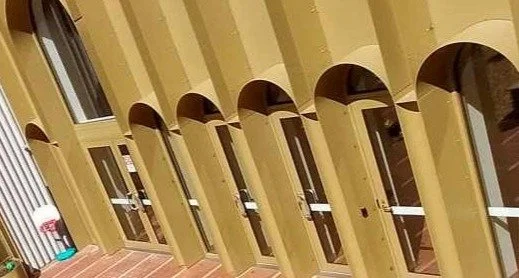
Secure arrivals and departures
We understand that one of the most important moments of the day for parents is leaving and collecting their child.
Our arrival and departure procedures are designed to help ensure that children are accounted for and leave the Centre only with an appropriately authorised person.
We maintain procedures around:
Sign-in and sign-out
Authorised nominees
Collection arrangements
Changes to collection arrangements
Identity and authority where required
Children remaining safely within the service
Monitoring arrivals and departures.
If someone unfamiliar to educators arrives to collect a child, we do not simply assume they are authorised.
Your child's safety does not end at the front door.
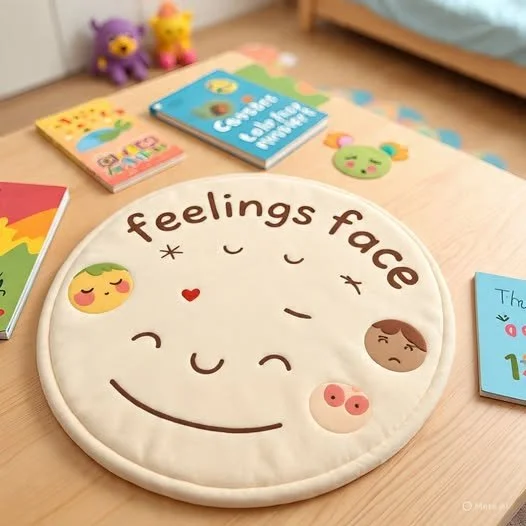
Psychological and emotional safety
Safety is more than preventing physical injury.
Children also need to feel emotionally and psychologically safe.
At St Mary’s, we work to create relationships where children feel known, accepted and supported.
Educators help children:
Express their emotions
Develop confidence
Build friendships
Resolve disagreements
Ask for help
Develop resilience
Understand boundaries
Respect others
Recover from setbacks
Feel secure during transitions.
We do not want children to be afraid of making mistakes. We want them to feel confident enough to say:
“I don't like that.”
“Can you help me?”
“I feel sad.”
“That's not okay.”
“Can I have a turn?”
These are important life skills, and part of becoming a confident, capable learner.
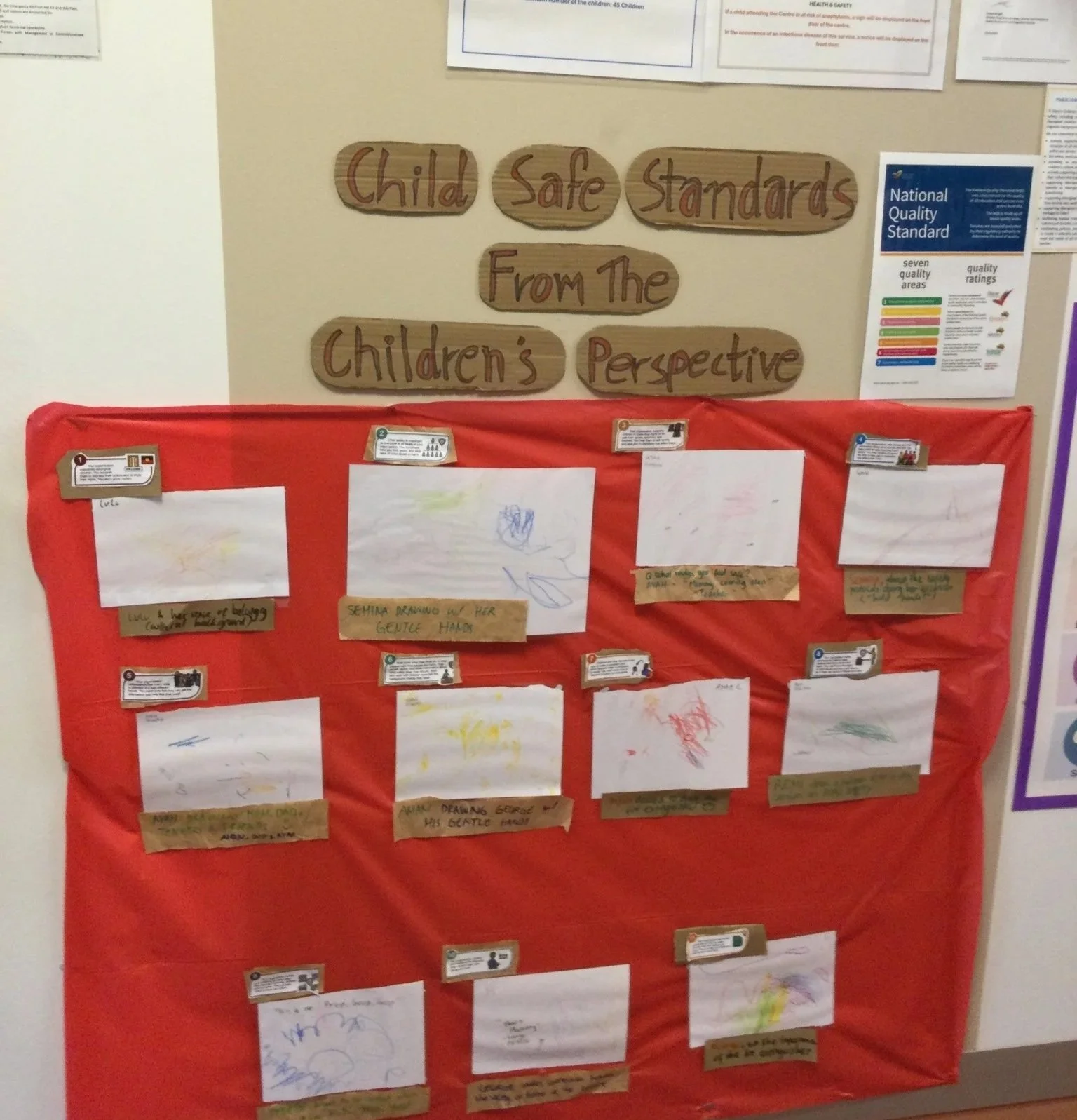
Children have a voice
Children are not simply recipients of care. They are active participants in their own lives and learning.
We encourage children to communicate their preferences, ideas, feelings and concerns in ways appropriate to their age and development.
We listen to children and take what they tell us seriously.
Children are supported to understand that they can seek help from trusted adults and that concerns about their safety or wellbeing will be taken seriously.
Our child-safe approach reflects the principle that children should be informed about their rights and participate in decisions that affect them in developmentally appropriate ways.
Child protection and responding to concerns
Our educators and leaders have clear responsibilities for recognising and responding to concerns about children's safety and wellbeing.
This includes understanding indicators of:
Abuse
Neglect
Family violence
Unsafe situations
Behaviour that may place a child at risk.
Where a concern arises, we follow the applicable child protection, reporting and regulatory requirements and our child safety policies and procedures.
The National Quality Standard requires management, educators and staff to understand their roles and responsibilities in identifying and responding to every child at risk of abuse or neglect.
Respect, boundaries and consent
Children are supported to understand that their bodies belong to them.
Educators use respectful language and age-appropriate approaches when supporting children's understanding of:
Personal space
Body boundaries
Appropriate and inappropriate behaviour
Asking for permission
Respecting another person's “no”
Seeking help from trusted adults
Speaking up when something doesn't feel right.
Everyday care and assistance is provided respectfully and appropriately, with consideration for each child's dignity, age, development, needs and family context.
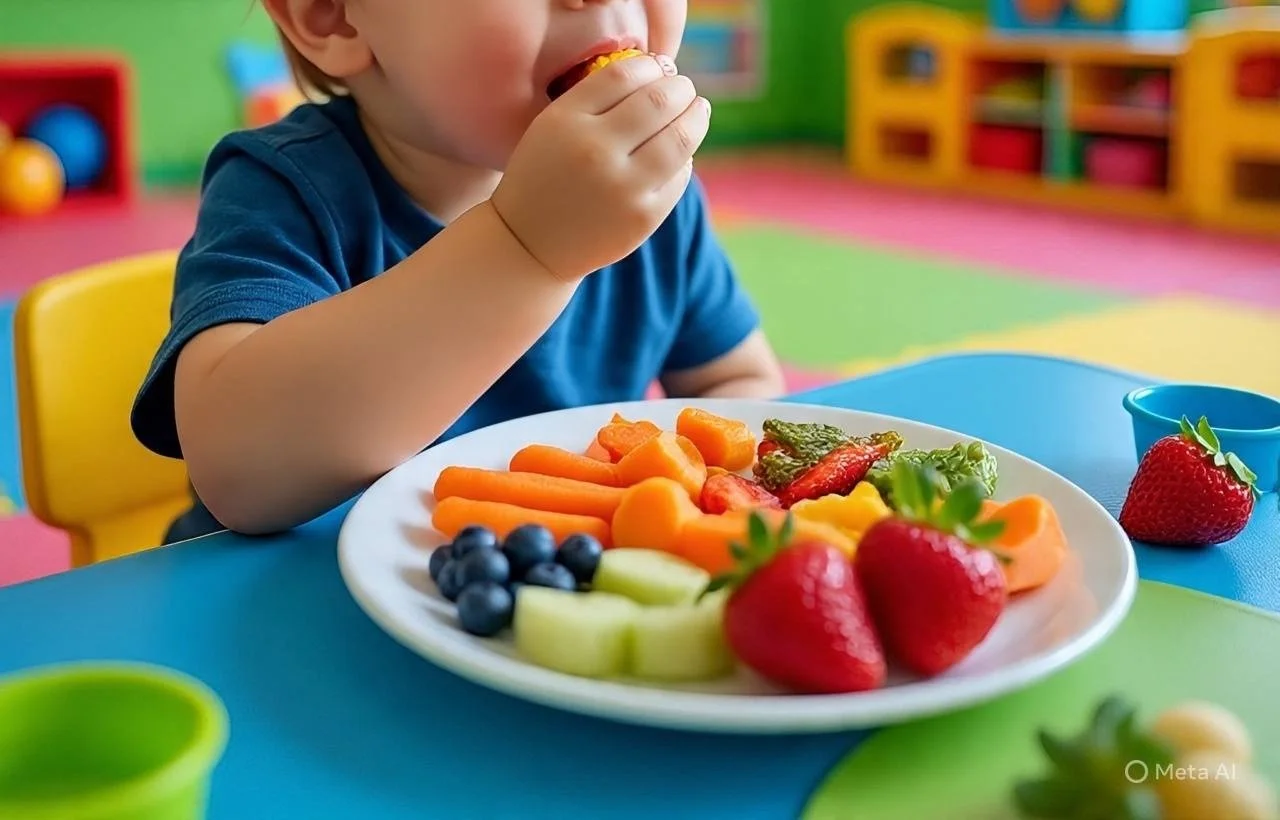
Food safety and allergies
Food safety is an important part of protecting children's health. We maintain procedures relating to:
Safe food preparation and handling
Hygiene
Food storage
Allergies and intolerances
Individual dietary requirements
Anaphylaxis management
Preventing cross-contamination
Safe eating practices
Appropriate supervision during meals.
Children with diagnosed allergies or medical conditions are supported through appropriate health management plans and risk-minimisation strategies.
We work with families to understand each child's individual health and dietary needs.
Medication and health needs
Where children require medication or specific health support, we follow the relevant authorisation, documentation, storage, administration and recording requirements.
Educators are supported to understand children's individual medical management needs, including relevant emergency responses.
We work closely with families to ensure important health information is understood and appropriately communicated.
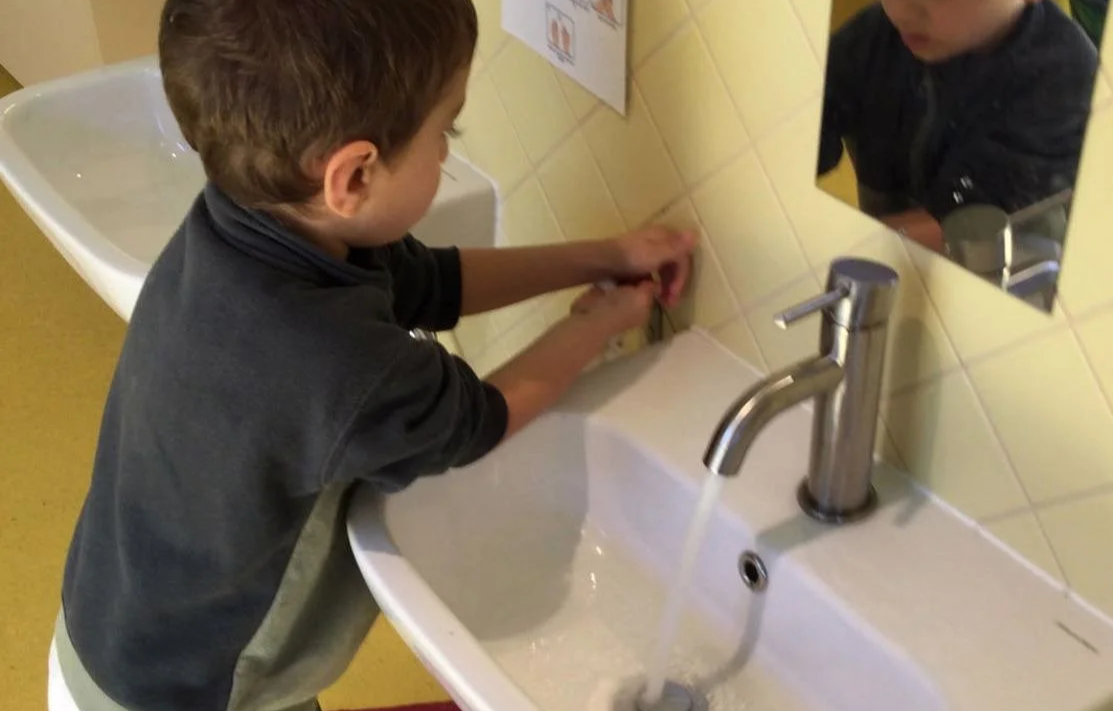
Hygiene, illness and infection control
Young children are still developing their immune systems, so good hygiene practices are essential.
Our practices include appropriate:
Hand hygiene
Cleaning and sanitising
Nappy-changing and toileting hygiene
Food hygiene
Management of bodily fluids
Infection-control procedures
Illness management
Exclusion procedures where required.
These practices help reduce the spread of infection and support children's health and wellbeing.
Chemicals and hazardous materials
Children should never have unsupervised access to hazardous substances.
Cleaning products, chemicals, medicines and other potentially hazardous materials are appropriately stored and managed in accordance with applicable requirements.
Educators also consider the safety of materials and resources used in children's learning experiences.
Risk assessment and appropriate supervision help ensure children can explore, experiment and learn while foreseeable hazards are managed.
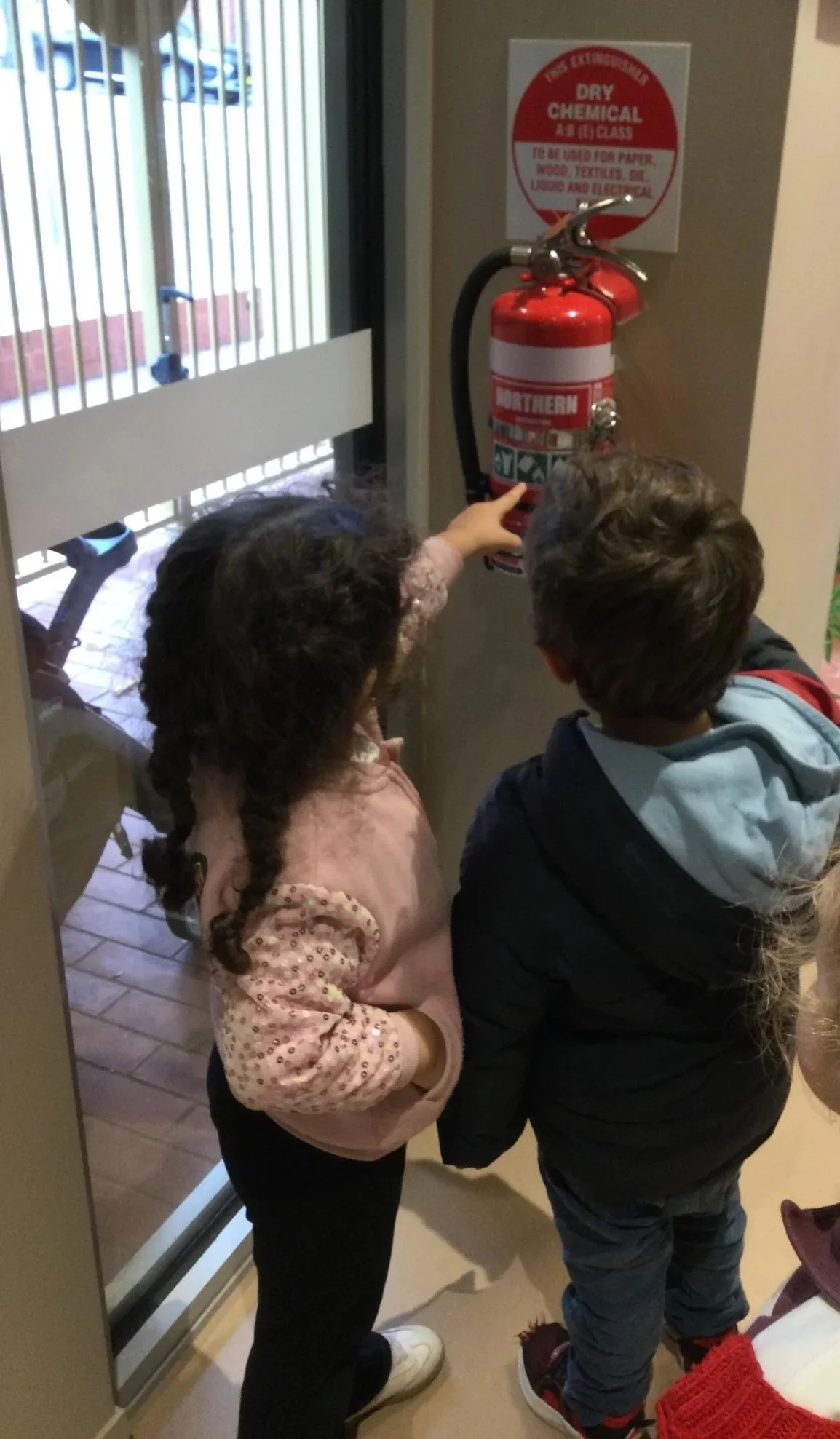
Emergency preparedness
We cannot predict every emergency, but we can prepare for one.
St Mary’s maintains emergency and evacuation procedures relevant to our service and location. Emergency preparedness includes planning for situations such as:
Fire
Evacuation
Medical emergencies
Serious injury
Severe weather
Other emergencies relevant to the service.
Emergency procedures are practised and reviewed so educators understand their responsibilities and children become familiar with emergency routines in an age-appropriate way.
The National Regulations require effective emergency and evacuation procedures, and ACECQA identifies regular practice, evaluation, emergency equipment and clear procedures as important components of effective emergency management.
Our fire emergency evacuation routes and procedures have been approved by an expert fire engineer and reviewed by the Fire Authorities.
First aid and responding to injuries
Children are naturally active, and minor bumps and injuries can sometimes occur even in well-supervised environments.
Our educators follow established procedures for responding to injuries and medical incidents.
Appropriately trained staff and required first-aid arrangements are maintained in accordance with regulatory requirements. St Mary’s own standard requires most staff onsite to have valid first aid and CPR training.
Families are informed about incidents involving their child in accordance with our procedures and regulatory obligations.
We also use incidents, injuries and near misses as opportunities to review what happened, identify contributing factors and improve safety.

Safe use of technology and children's images
Children's privacy and dignity extend to the digital environment.
Where technology, digital documentation or photographs are used as part of children's learning and communication, we follow our policies and applicable privacy and child-safety requirements.
Families can access their child's individual learning information through our family communication platform, OWNA.
We ask families to respect the privacy of other children and families and not copy, save or share images or information relating to other children.
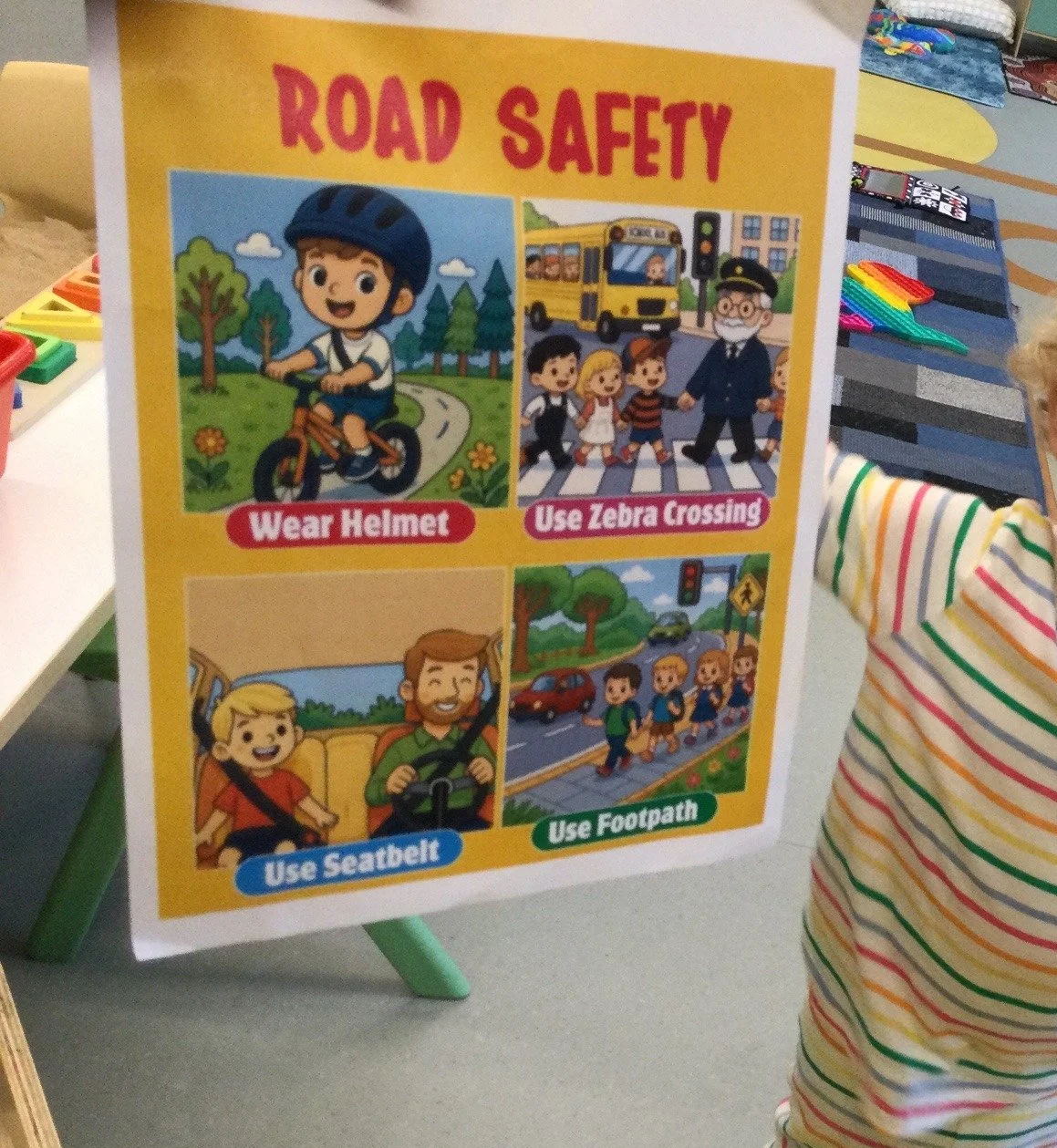
Safe outdoor play and excursions
Outdoor play is important for children's physical development, confidence and wellbeing.
We balance children's opportunities to explore and take appropriate developmental risks with careful consideration of hazards.
For excursions and experiences outside the Centre, additional planning and risk assessment is undertaken.
This includes consideration of:
Supervision
Travel and transportation where applicable
The destination
Environmental hazards
First aid
Emergency contacts
Children's individual needs
Staffing
Ratios
Communication
Emergency procedures.
Adequate supervision and required ratios continue to apply during excursions.
Safe relationships with educators
Children need consistent, warm and respectful relationships with the adults who care for them.
We encourage educators to build genuine relationships with children while maintaining clear professional boundaries.
This includes appropriate expectations around:
Physical contact
Communication
Privacy
Professional conduct
Behaviour guidance
One-to-one interactions
Digital communication
Boundaries between educators, children and families.
Our goal is for children to experience relationships that are warm without being unsafe, respectful without being distant, and caring while maintaining appropriate professional boundaries.
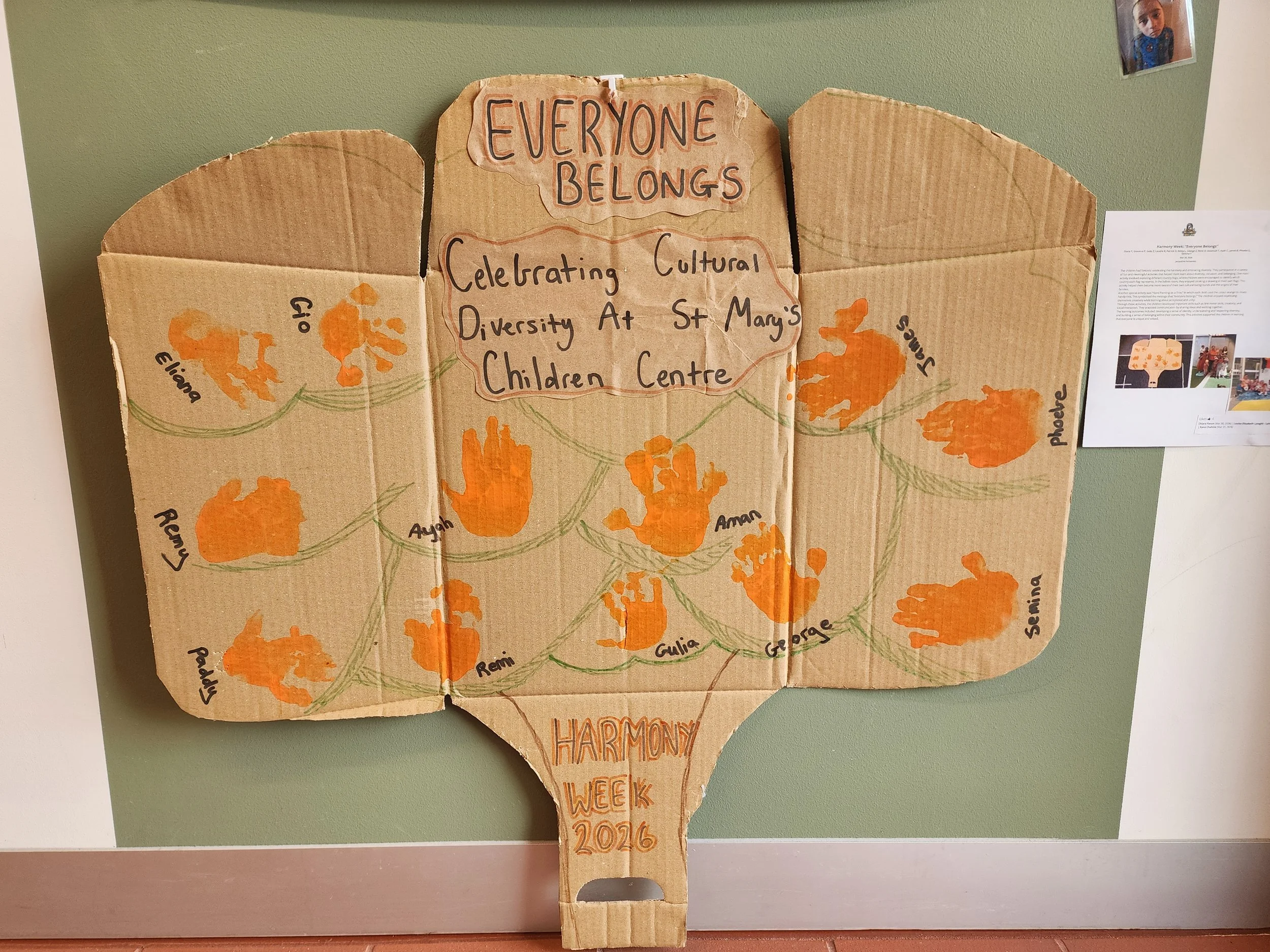
Every child deserves to feel safe and included
Child safety includes ensuring children are respected regardless of their background, culture, identity, abilities, family circumstances or individual needs.
We strive to create an environment where every child can participate, belong and be treated with dignity.
We work with families to understand individual circumstances and make reasonable adjustments where required so children can participate safely and meaningfully.
Families are part of our child-safety culture
Parents and carers know their children better than anyone.
We encourage families to talk with us about:
Something their child has said
A change in behaviour
A new fear or concern
Something that makes their child uncomfortable
Changes in family circumstances that may affect their child
Health or wellbeing needs
Anything they believe we should know.
You do not need to wait for something to become serious before talking to us. If something concerns you, we want to hear it.
Who works with your child matters
We take the recruitment and suitability of educators and other people working with children seriously.
Our recruitment and onboarding processes are designed to ensure that people working with children meet the relevant qualification, screening, suitability, background-check, training and regulatory requirements.
In fact, our recruitment process involves up to three interviews, often with a 3-member panel that includes an expert human resource (HR) professional and a community or business leader, in addition to the Centre Director. No one comes close to our children unless they have proven their worth.
This includes appropriate checks and clear expectations around professional conduct, child safety and responsibilities.
All staff, volunteers and students are required to understand their responsibilities for protecting children. They maintain all the required mandatory training, to ensure everyone at St Mary’s is an active advocate and a practitioner of child safety.
From 27 February 2026, mandatory national child-safety training requirements apply to management, nominated supervisors, persons in day-to-day charge, staff, volunteers and students in ECEC services. We keep a record of and track this training for all staff and volunteers. In fact, we do not even make an offer of employment to anyone unless they provide evidence of having completed all the necessary child safety training.
We also recognise that child safety is not achieved simply by recruiting the right people. It requires ongoing supervision, professional development, reflection, accountability and strong leadership.
Safety is continually reviewed
A safe service is never “finished”. We regularly review our environments, practices, policies, incidents, hazards, feedback and emerging risks.
Where something happens, we don't simply ask: “What happened?”
We also ask:
“Why did it happen?”
“What can we learn?”
“What can we change?”
“How can we make it safer next time?”
This commitment to continuous improvement is embedded within the National Quality Framework and our approach to governance and quality improvement.
Our commitment to you
When you entrust your child to St Mary’s Children Centre, we want you to feel confident that safety is being considered from the moment your child arrives until they are safely collected.
That means considering:
The environment.
The people.
The relationships.
The routines.
The food.
The equipment.
The information we hold.
The way children are supervised.
The way we respond to concerns.
The way we prepare for emergencies.
And, most importantly, the voice and rights of your child.
Child safety is not something we add to our program. It is the foundation on which everything else is built. Because when children feel safe, secure and respected, they are better able to play, explore, build friendships, take healthy risks, ask questions, learn and flourish.
We work tirelessly so every parent is able to say:
“I know my child is safe at St Mary’s.”